All Pilgrimage Routes
Six legendary routes, each with its own character, landscapes, and challenges. Which path calls to you?
The most iconic Camino route, starting in the French Pyrenees and crossing northern Spain. Used by over 60% of pilgrims, it offers rich infrastructure, vibrant pilgrim community, and stunning landscapes from the Pyrenees to Galicia.
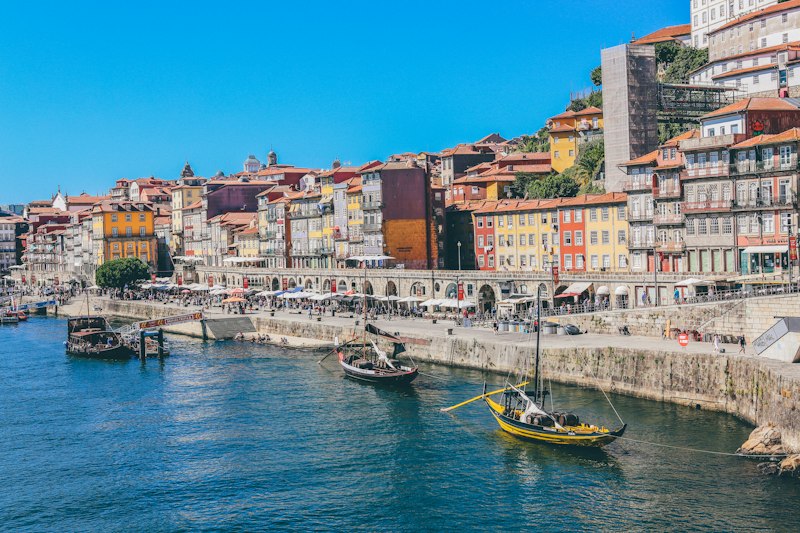
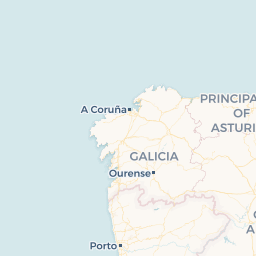
A beautiful route from Porto to Santiago offering two main variants: the Central Route (historic inland towns) and the Coastal Route (stunning Atlantic scenery). The two routes merge in Redondela for the final stretch to Santiago.
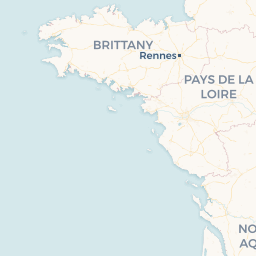
France's most iconic pilgrimage route, stretching from the volcanic highlands of Le Puy-en-Velay across Auvergne, the Aubrac plateau, the Lot valley and Gascony to the foot of the Pyrenees. One of the most beautiful long-distance walks in Europe, passing through Conques, Figeac, Cahors, and Moissac.
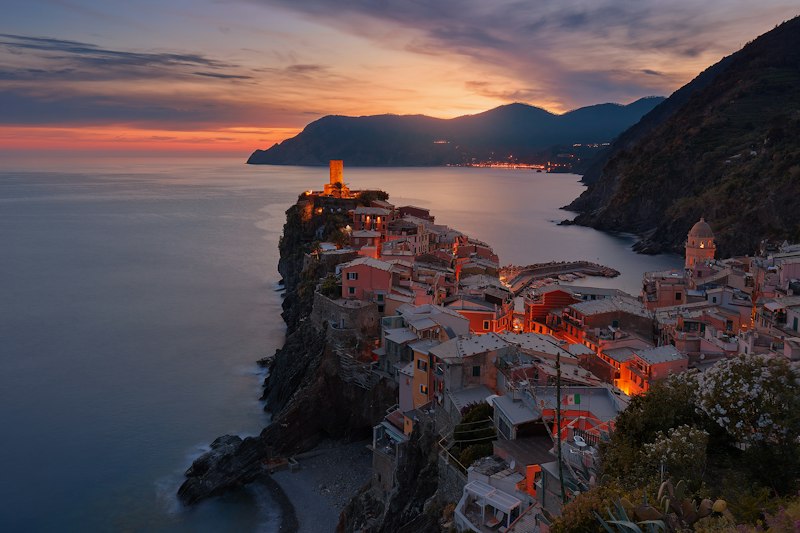
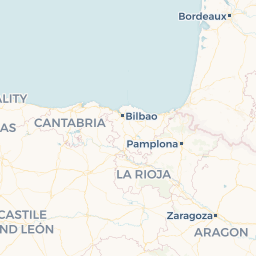
The Northern Way follows Spain's dramatic northern coast from the Basque Country through Cantabria and Asturias into Galicia. More challenging and less crowded than the Francés, it rewards pilgrims with stunning coastal scenery, world-class pintxos, and authentic culture.
The Original Way — the first ever Camino route taken by King Alfonso II in 830 AD. Wild, mountainous, and deeply spiritual. The first half crosses steep Asturian mountains (including the legendary Hospitales variant), then joins the Camino Francés at Melide.
The continuation beyond Santiago to the 'end of the world' on the Atlantic coast. Pilgrims traditionally walk to Cape Finisterre to burn their boots and watch the sunset. Often extended to include the sacred town of Muxía. Well-marked with yellow arrows, with albergues throughout.
Spain's longest and most solitary Camino, following the ancient Roman Silver Road from Seville through Extremadura, Castile and Galicia. Passes through Roman Mérida, medieval Cáceres, university Salamanca, and Zamora before joining the Sanabrés Way to Santiago. Avoid summer — heat can be extreme in Andalusia and Extremadura.
The Spiritual Variant of the Camino Portugués — a unique 3-day detour from Pontevedra featuring the famous boat ride ('Traslatio') across the Arousa estuary, following the legendary route of St. James's remains. Quieter than the central route with stunning coastal and watermill scenery.
The shortest certified Camino route to earn a Compostela. Originally used by pilgrims arriving by sea from England, Ireland and Scandinavia. The route passes through the medieval town of Pontedeume, Betanzos, and the highland village of Hospital de Bruma before descending to Santiago.
The Winter Way — a quieter southern alternative to the final stretch of the Camino Francés, created to avoid the snow-prone O Cebreiro pass. Follows the Sil River canyon through the stunning Ribeira Sacra wine region, passing Monforte de Lemos and the Galician interior before reaching Santiago.
Click a route to highlight it on the map